

Why Most Beverage Alcohol Brands Get E-Commerce Wrong (and Why You Still Have to Do It)
Most beverage alcohol brands approach e-commerce expecting it to be a profit channel. In practice, that’s rarely the case—especially early on.
Once retail margins, shipping costs, transaction fees, and paid media are layered in, the unit economics tighten quickly. Even brands with healthy gross margins often find themselves close to breakeven before advertising is considered.
That doesn’t mean e-commerce isn’t worth doing. It just means it should be evaluated differently.
Used correctly, e-commerce functions less as a volume driver and more as a learning system. It provides direct insight into who actually buys the brand, where demand exists, what messaging resonates, and how customer behavior evolves over time. Those insights tend to matter far more than short-term profitability.
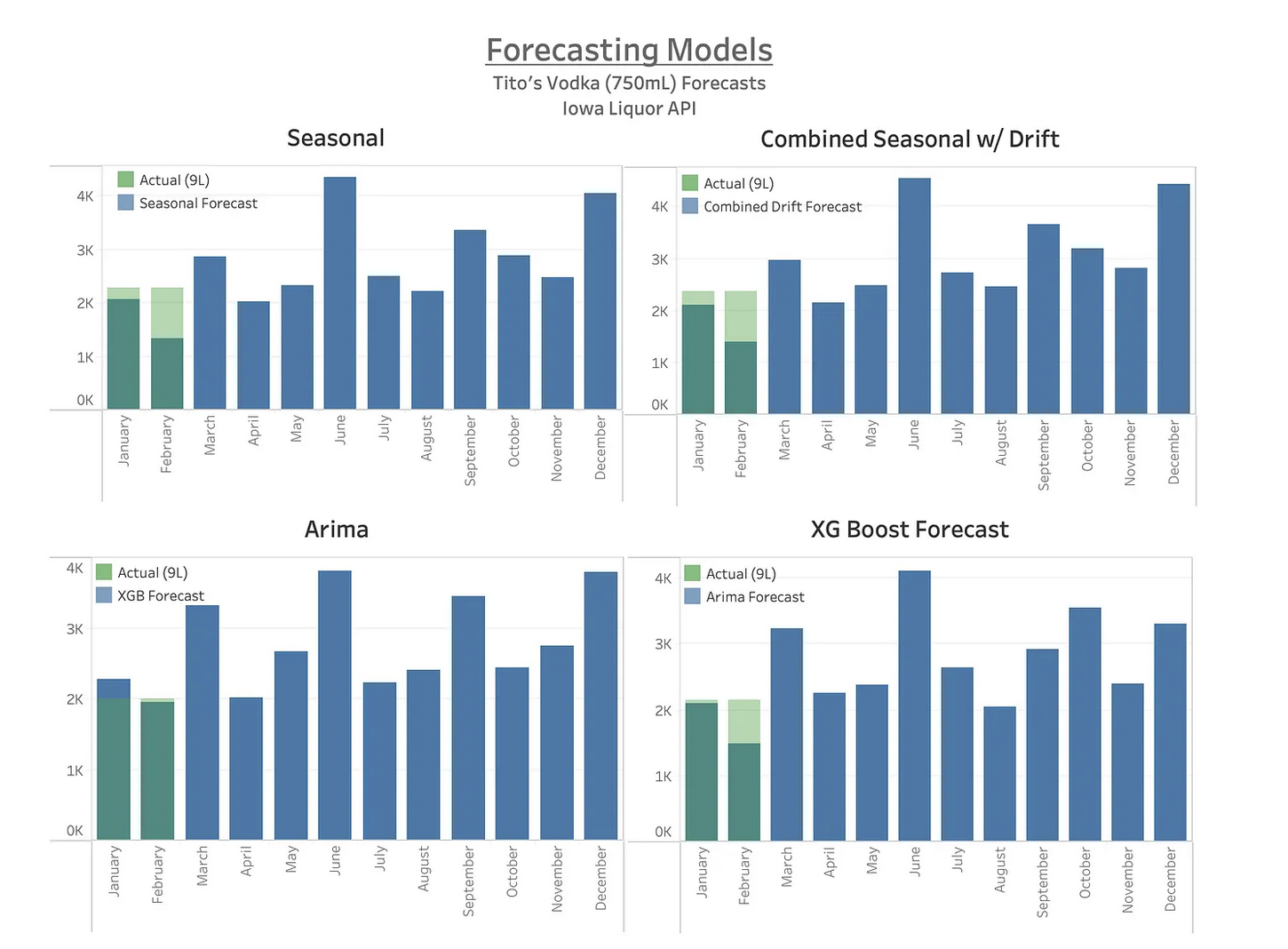
Demand Planning and Forecasting for Tito’s Vodka using both classic and Machine Learning (ML) models.
This project aimed to forecast Tito Vodka sales using a live and publicly available dataset to narrow the best performing demand planning and sales forecasting tools.
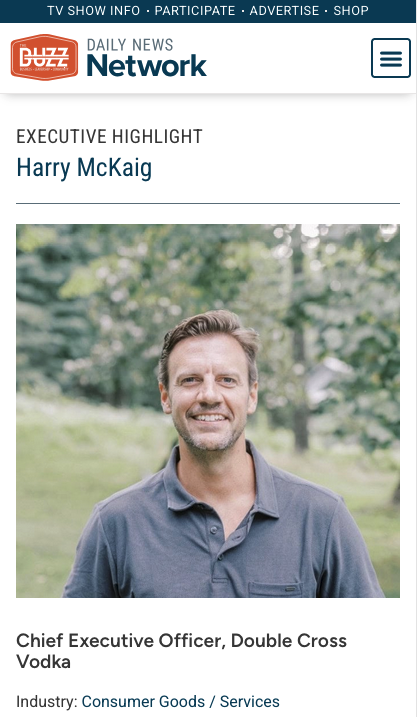
Daily News Network: Executive Highlight
Daily News Networks Executive Highlights - Interview
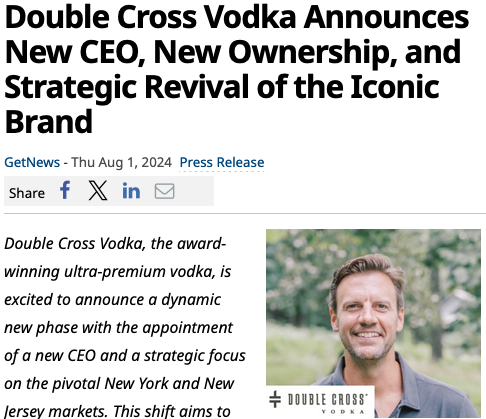
Double Cross Vodka Announces New CEO, New Ownership, and Strategic Revival of the Iconic Brand
Double Cross Vodka Announces New CEO, New Ownership, and Strategic Revival of the Iconic Brand
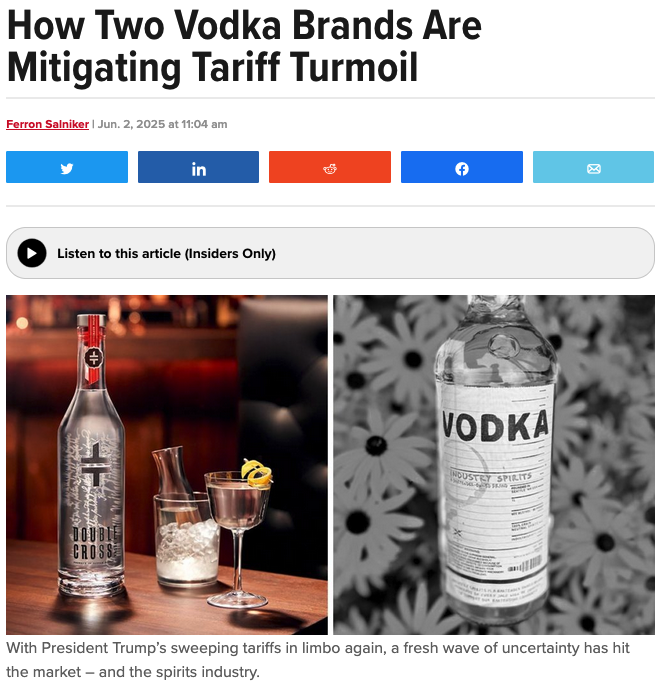
Mitigating Tariff Turmoil
For vodka brands, this means acting with discipline and agility. Pricing must be carefully managed, supply chains diversified, and expansion plans recalibrated to weather short-term volatility without losing long-term momentum.
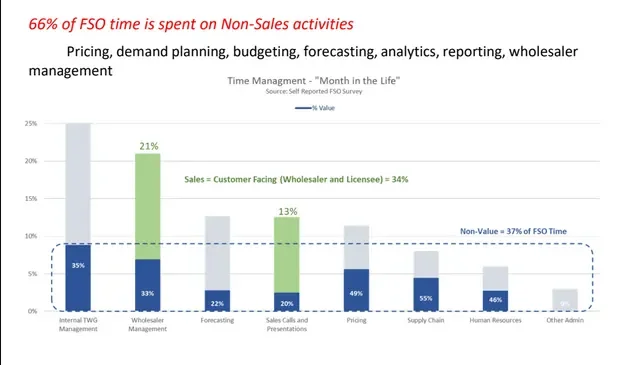
Case Study: Sales Efficiency
When our executive team tasked us with forming a cross-functional sales task force, we weren’t given a traditional brief — we were given a mandate: figure out why sales were declining, morale was eroding, and teams were overwhelmed. What we discovered wasn’t a lack of talent or effort. It was a system problem.